CleanBC
BC Home Energy Planner
Leading the end-to-end design development of a provincial digital service that helps over 5 million British Columbian homeowners improve their energy efficiency.
Introducing energy retrofits to 1.3 million BC homeowners.
01.
The BC Home Energy Planner is a free online service created by British Columbia's Ministry of Energy and Climate Solutions to help BC homeowners better understand and improve their home’s energy efficiency.
Shortly after graduating, I had the opportunity to take the design lead on this G2C provincial service, working within the CleanBC digital team to bring the BC Home Energy Planner from concept to pilot launch as the sole designer to over 1.3 million British Columbian homeowners in the Fall of 2023.
Role
Sole Service Designer
Team
CleanBC
Composition
1 x Service Designer
2 x UX Researcher
2 x Full-Stack Engineer
2 x Project Manager + Advisor
Contribution
0 → 1 Service Design, User Research & Testing
Shipped
2023 (Pilot), 2024 (Launch)
So…what are energy retrofits?
02.
Home energy retrofits are upgrades made to a home that increases energy efficiency, reduces emissions, and improves overall home comfort.
CleanBC is actively raising awareness on energy retrofits to help the province transition to cleaner, more energy-efficient homes.
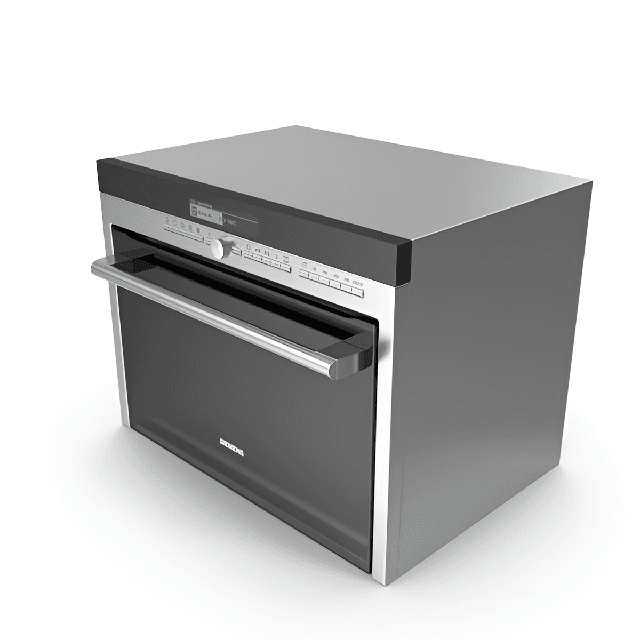
ENERGY STAR-rated appliances
Efficient appliances uses far less energy over their lifetime than standard appliances.
5% estimated energy efficiency increase
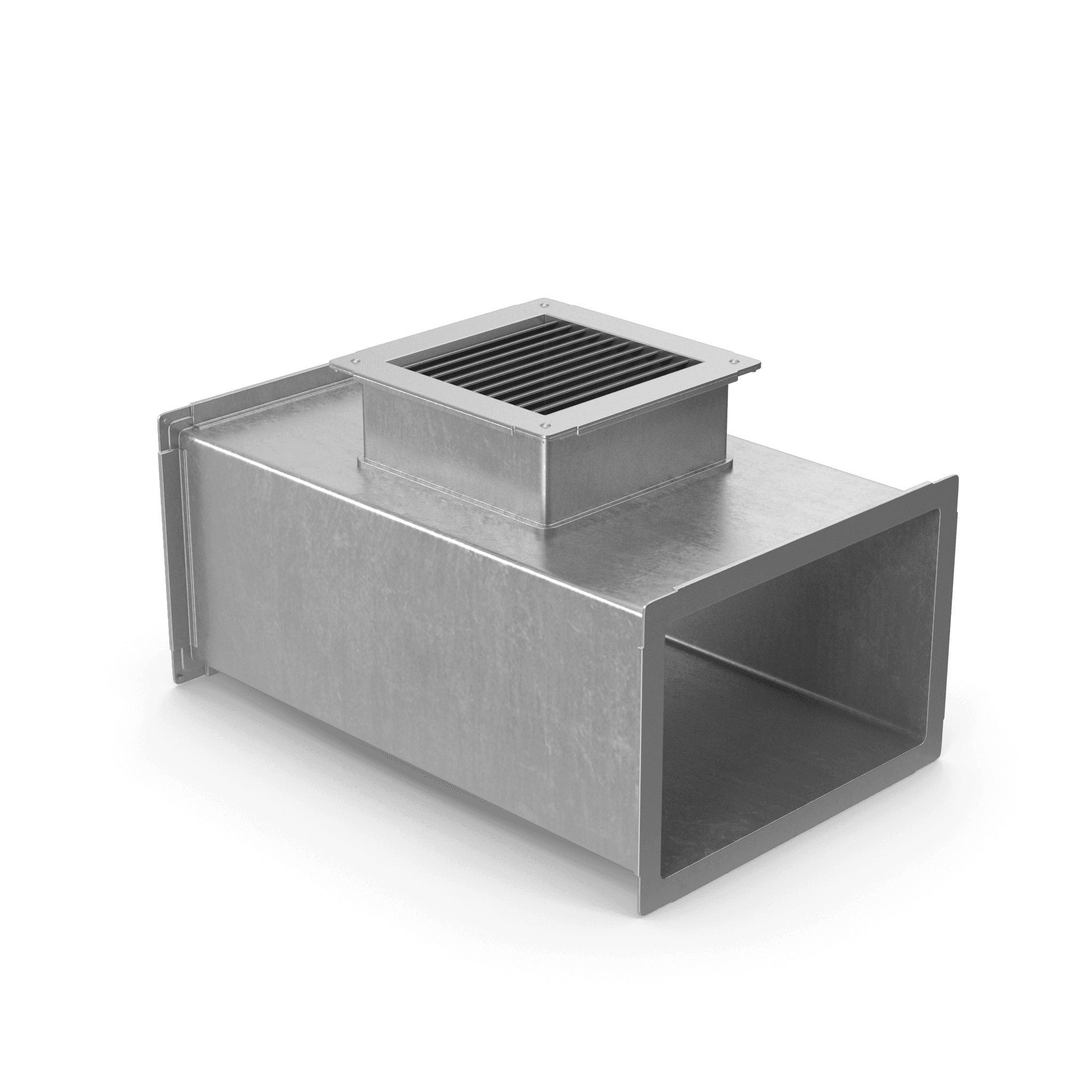
Air ventilation & circulation
Improves indoor air quality by removing excess moisture and reducing pollutants.
15% estimated energy efficiency increase
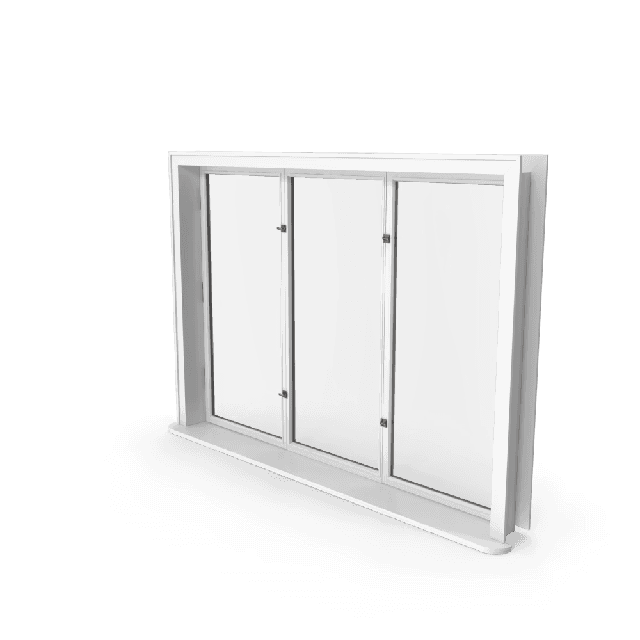
Double/Triple pane windows
Retains indoor heat during winter and blocks external heat in the summer.
25% estimated energy efficiency increase

Insulation & sealing air leaks
Reduces heat transfer in walls, attics & floors and prevents heat loss.
10% estimated energy efficiency increase
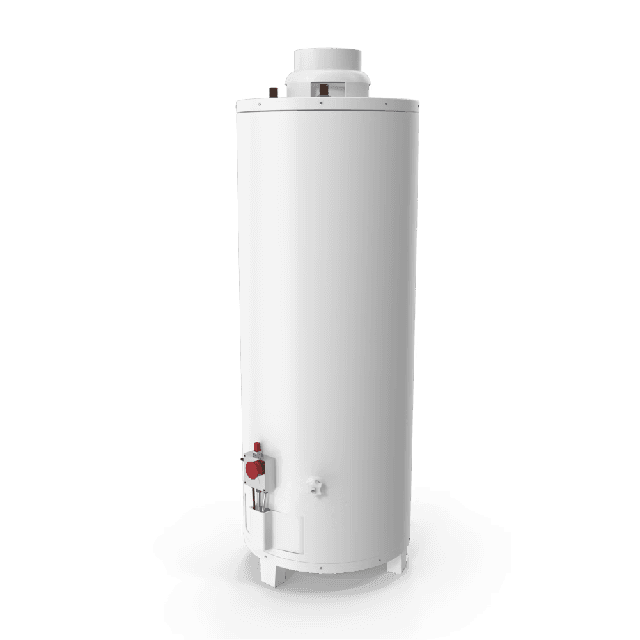
Heat pump water heater
3-4 times less electricity than traditional electric water heaters.
35% estimated energy efficiency increase
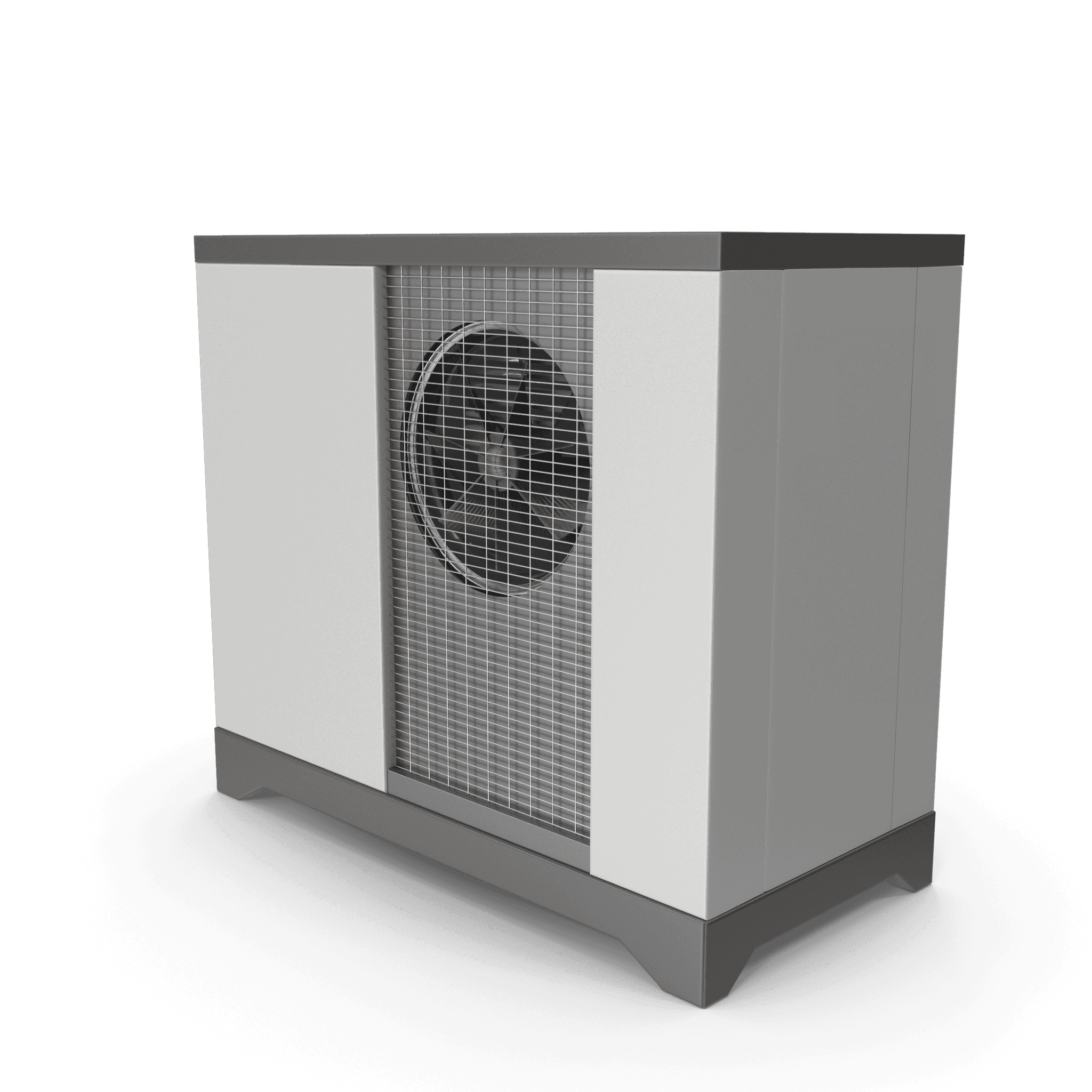
Air-source heat pump
Transfers heat between outdoor and indoor air for heating and cooling.
40% estimated energy efficiency increase
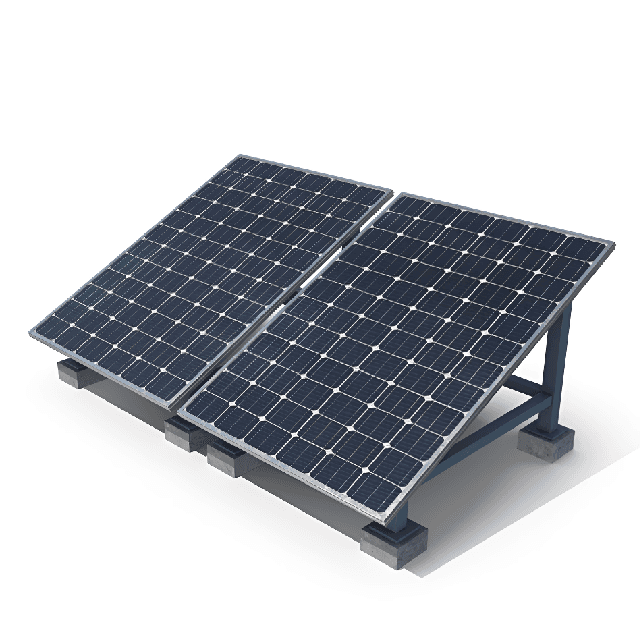
Solar panels
Generates renewable electricity, reducing bills and reliance on the grid.
Offset roughly 45% of electricity use
Roof and ceiling insulation
Reduces heat loss through the top of the home, significantly improving performance.
25% estimated energy efficiency increase
To accelerate adoption, CleanBC proposes the BC Home Energy Planner, a new provincial service aimed to bridge a key gap in the current retrofit journey.
The new service will provide homeowners with a better understanding of their current energy use as well as an energy retrofit plan that's tailored for their specific home, helping them make a more confident and informed decision.
External link to...
Submit retrofit plan to...
New Tab

Initial Awareness
Current
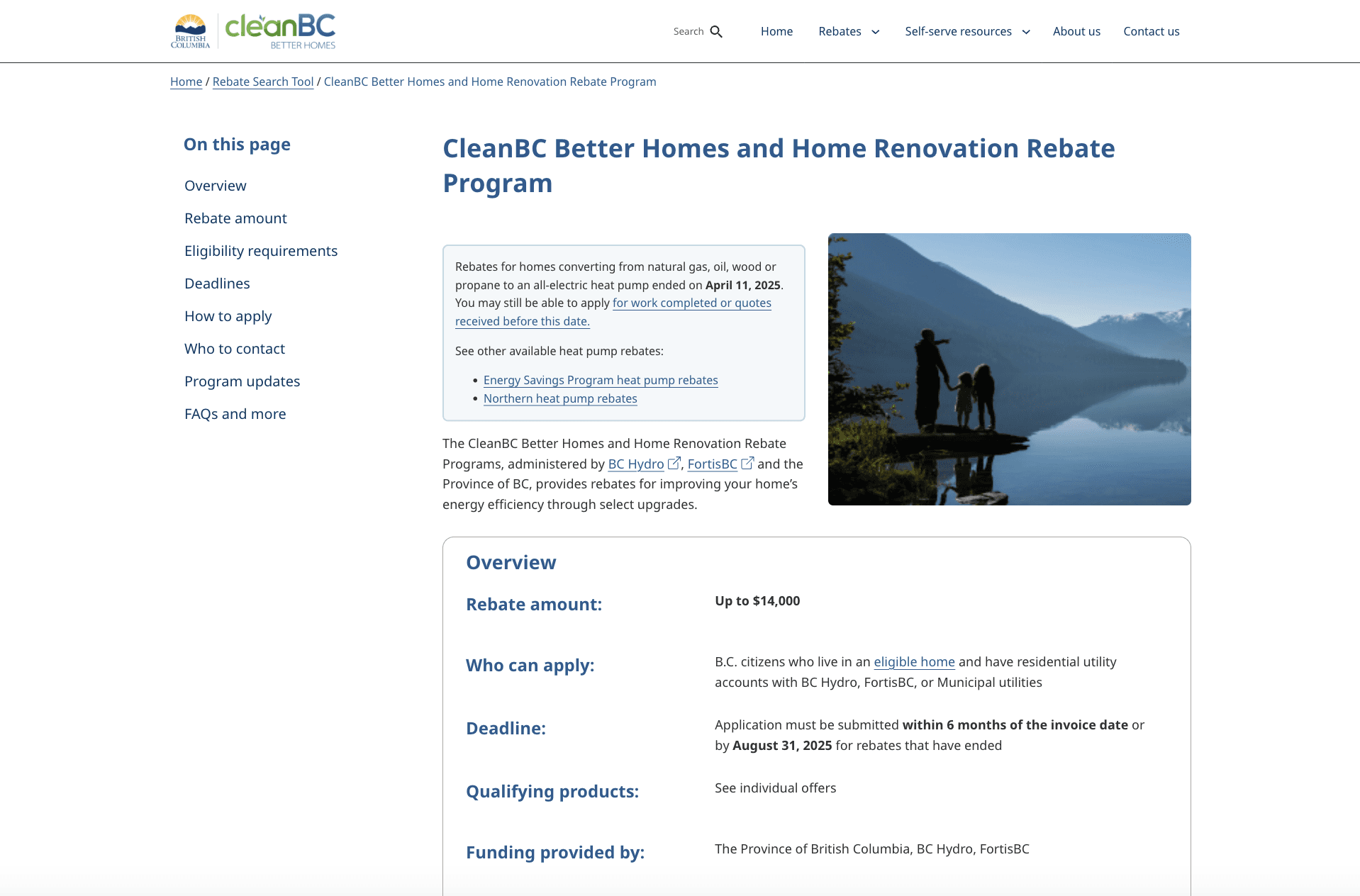
Informational website & public campaigns
Raise awareness of the benefits of home energy retrofit upgrades to homeowners.
New Tab


bchomeenergyplanner.ca

Home
Get support
Give feedback
BC Home Energy Planner
BETTER HOMES
Request a new PIN
You have the option to request a new PIN on this page. Note, your previous PIN will no longer be valid.
Corporation Number *
1234-5678-9012
Email *
Kevinsmith@email.com
Phone Number *
Home Address *
123 Main Street, City, BC
Next
I am an individual user
I am a corporation user

Where does the data come from?
Expand to view more
Welcome to the BC Home Energy Planner!
The BC Home Energy Planner is a free online tool that helps you understand and improve the energy efficiency of your home.
The Planner uses public data and information you provide to assess how well your home uses energy. You’ll learn:
Your home’s energy score (measured in gigajoules per year or GJ/yr)
what kinds of home energy upgrades will have the biggest impact for your home
next steps to help you upgrade your home
Information you provide to the BC Home Energy Planner stays in the Planner. It is only used to provide you with an energy score and recommendations.
Read the privacy policy to learn more.
Next
Home
Get support
Give feedback
BC Home Energy Planner
BETTER HOMES
Assessment & Planning
New
BC Home Energy Planner
Introduce homeowners to retrofit upgrades that can help increase their home’s energy efficiency.
New Tab

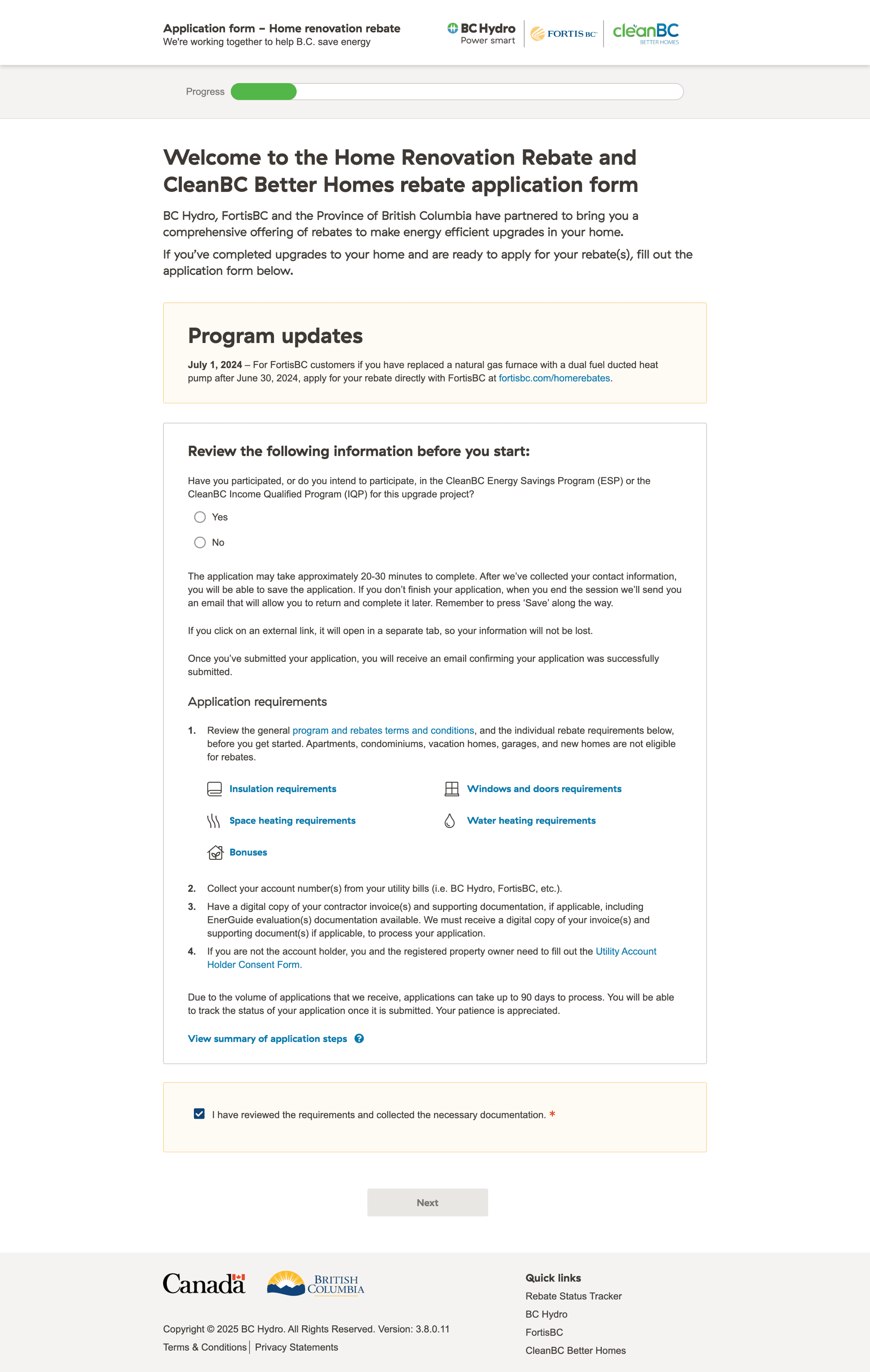
Application Submission
Current
Retrofit rebates application portal
Portal for homeowners to begin the retrofit process and apply for rebates.
How Might We ...
Create a provincial service…
for
BC Homeowners
to
help them assess their home's current energy efficiency and carbon emissions, discover the most effective retrofit options and rebates thats best tailored to their needs, and be motivated to begin adopting these upgrades into their homes.
Here's how it works.
03.
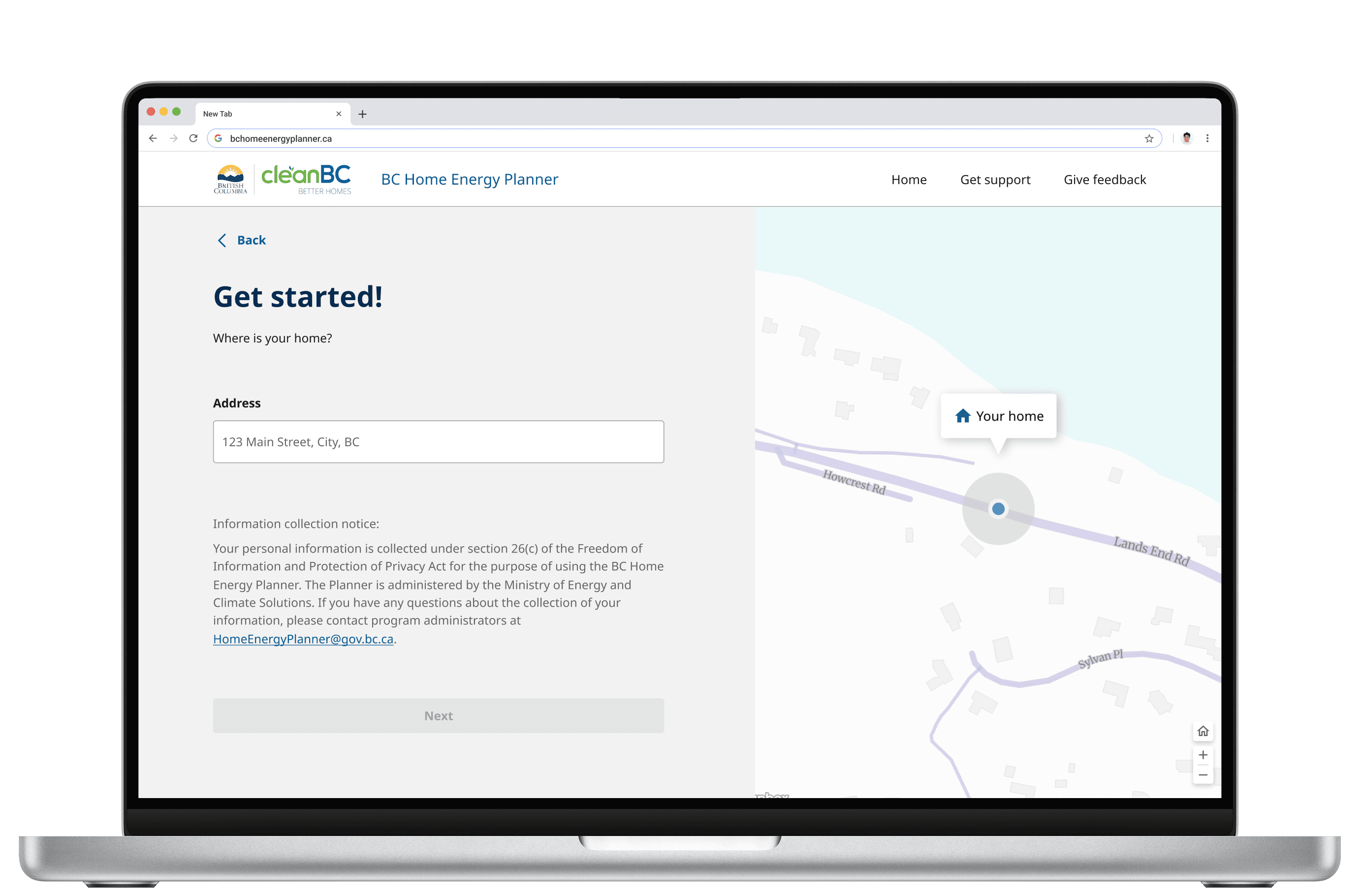
Step 01 : Homeowner onboarding
Homeowners are first authenticated to the provincial tool by matching their home address with their personal details on record.
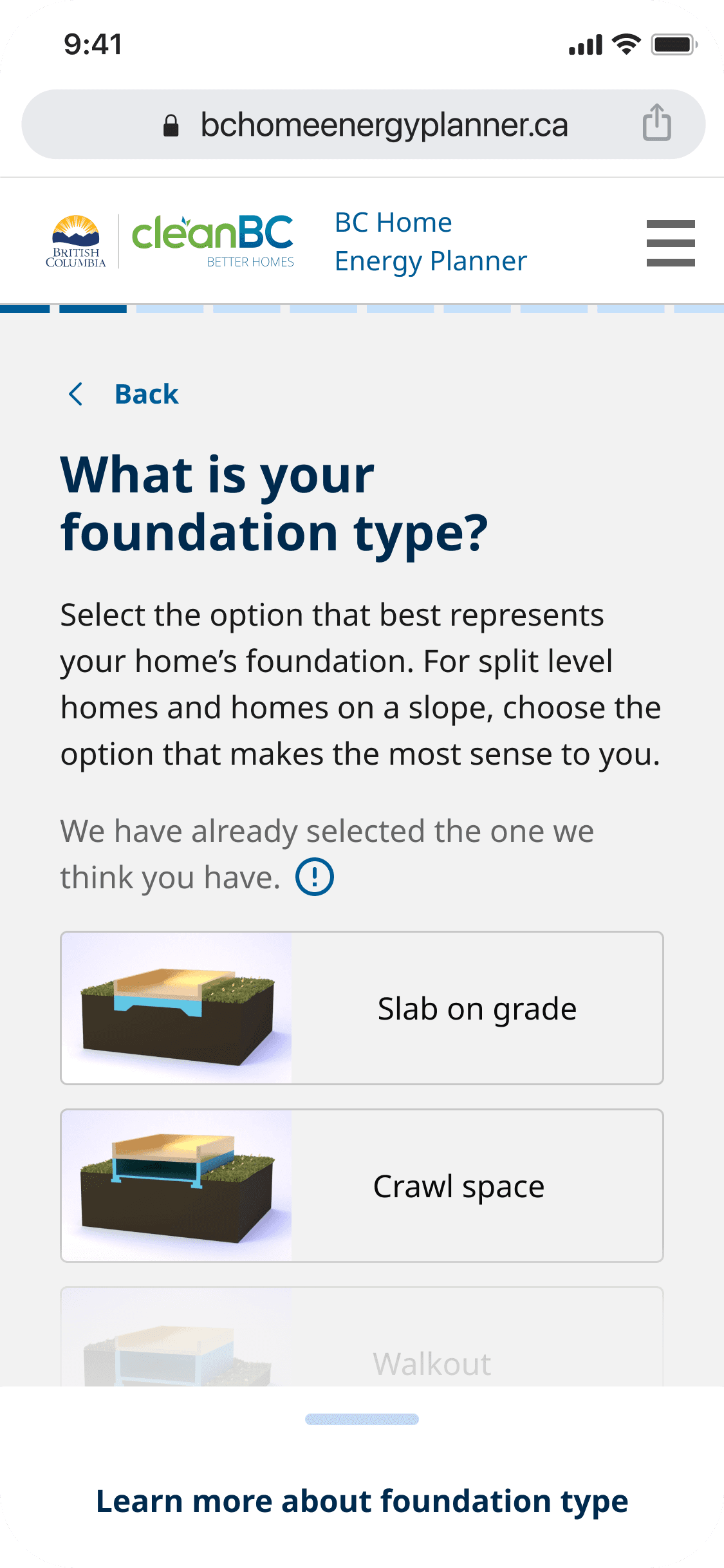
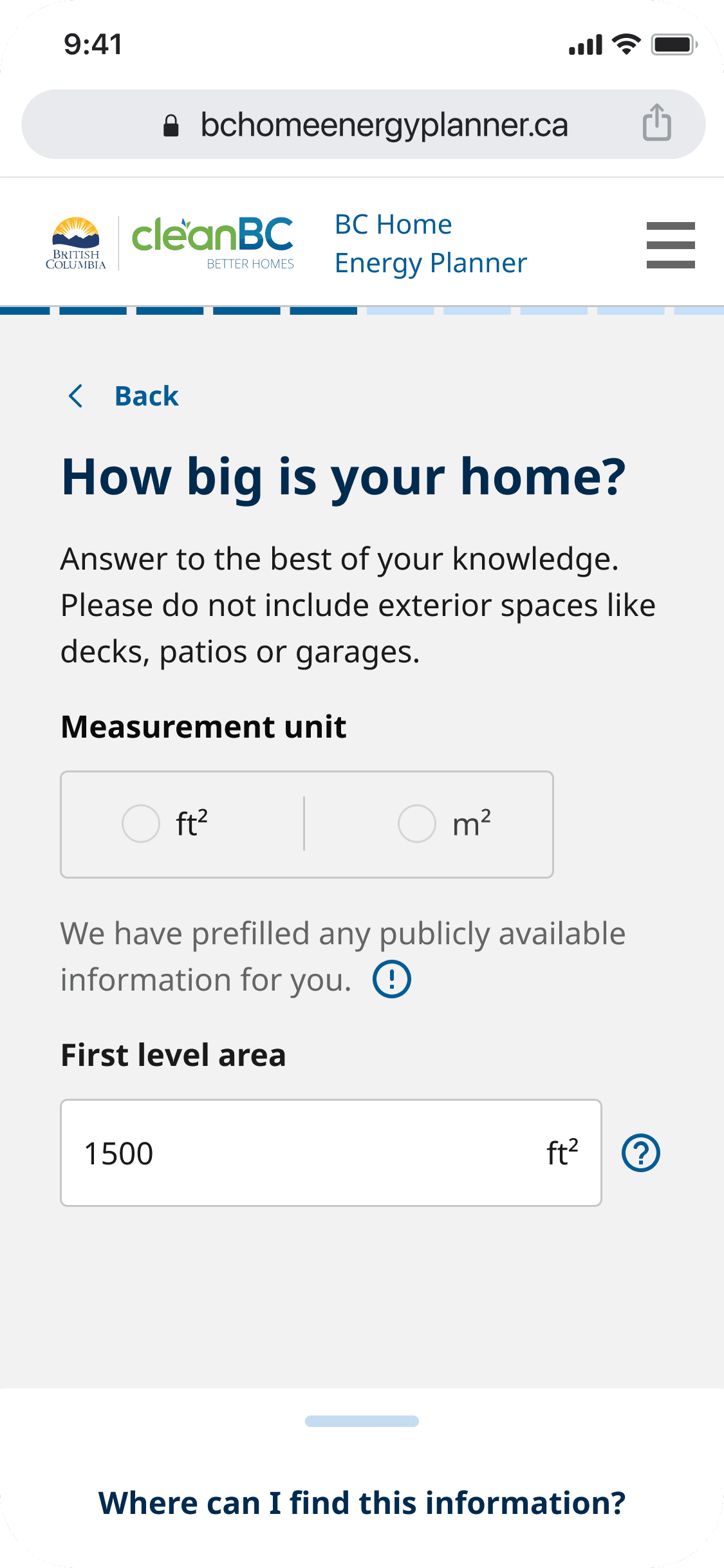
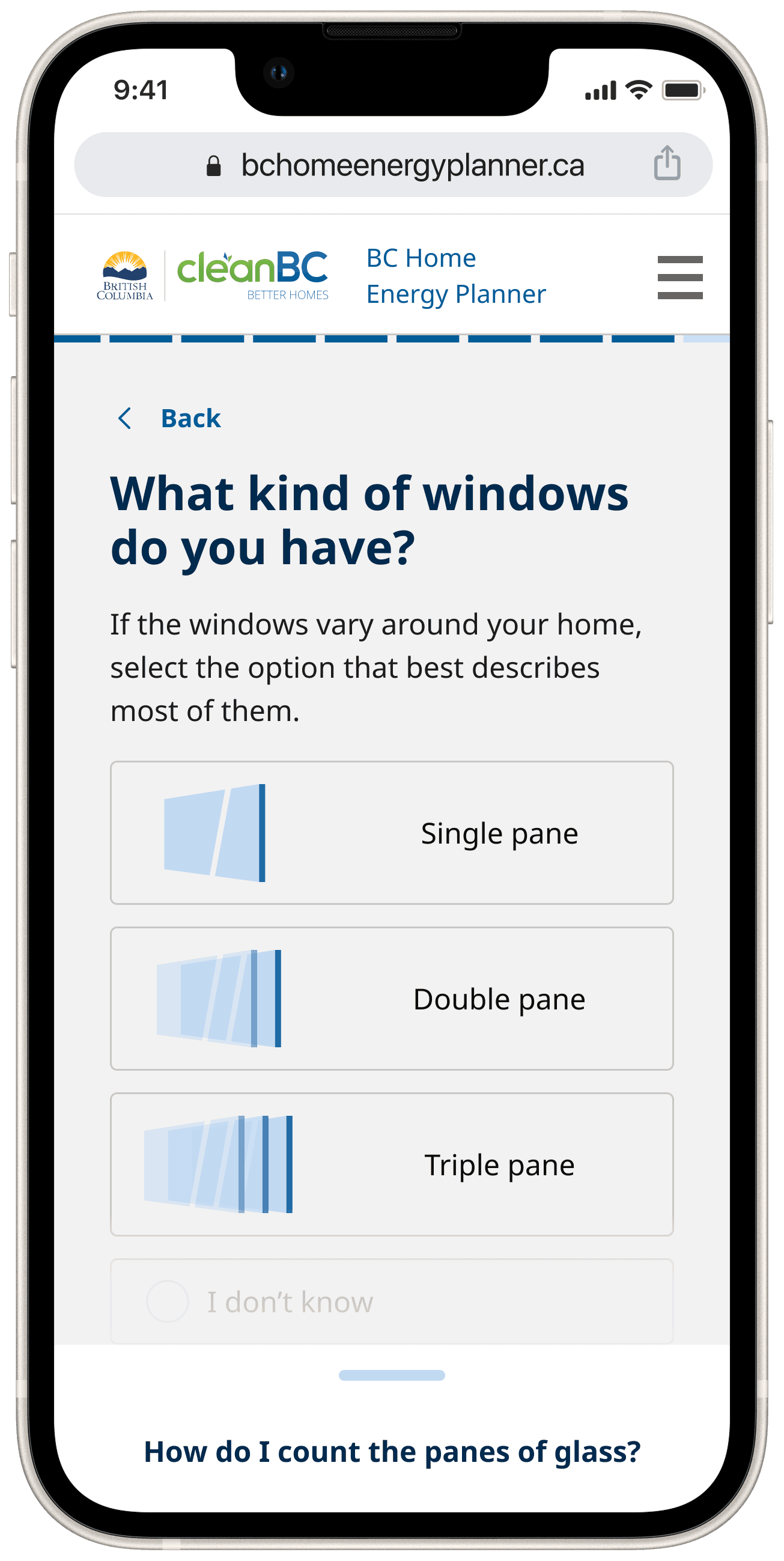
Step 02 : Homeowner questionnaire
Homeowners then answer a short questionnaire for more details regarding their home to better refine the energy model calculation.
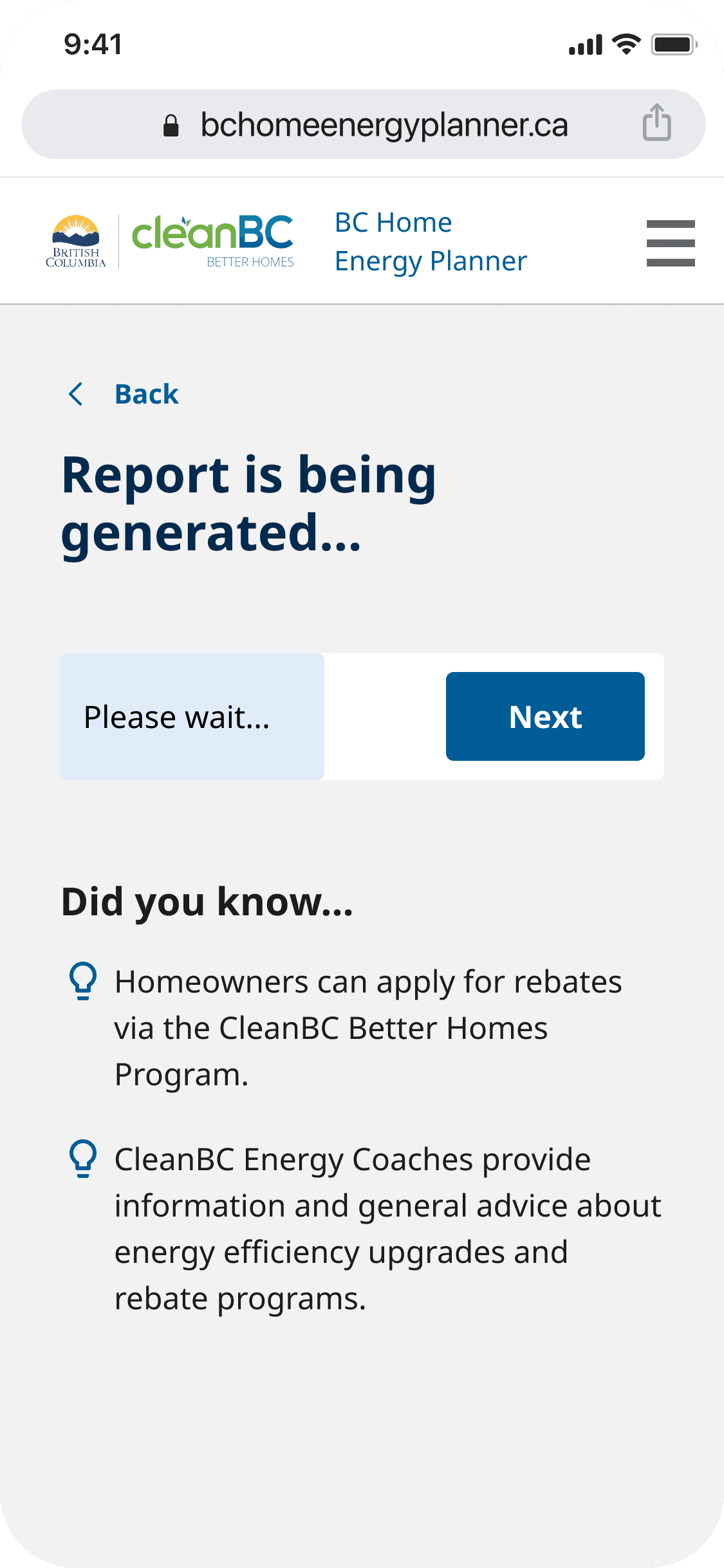
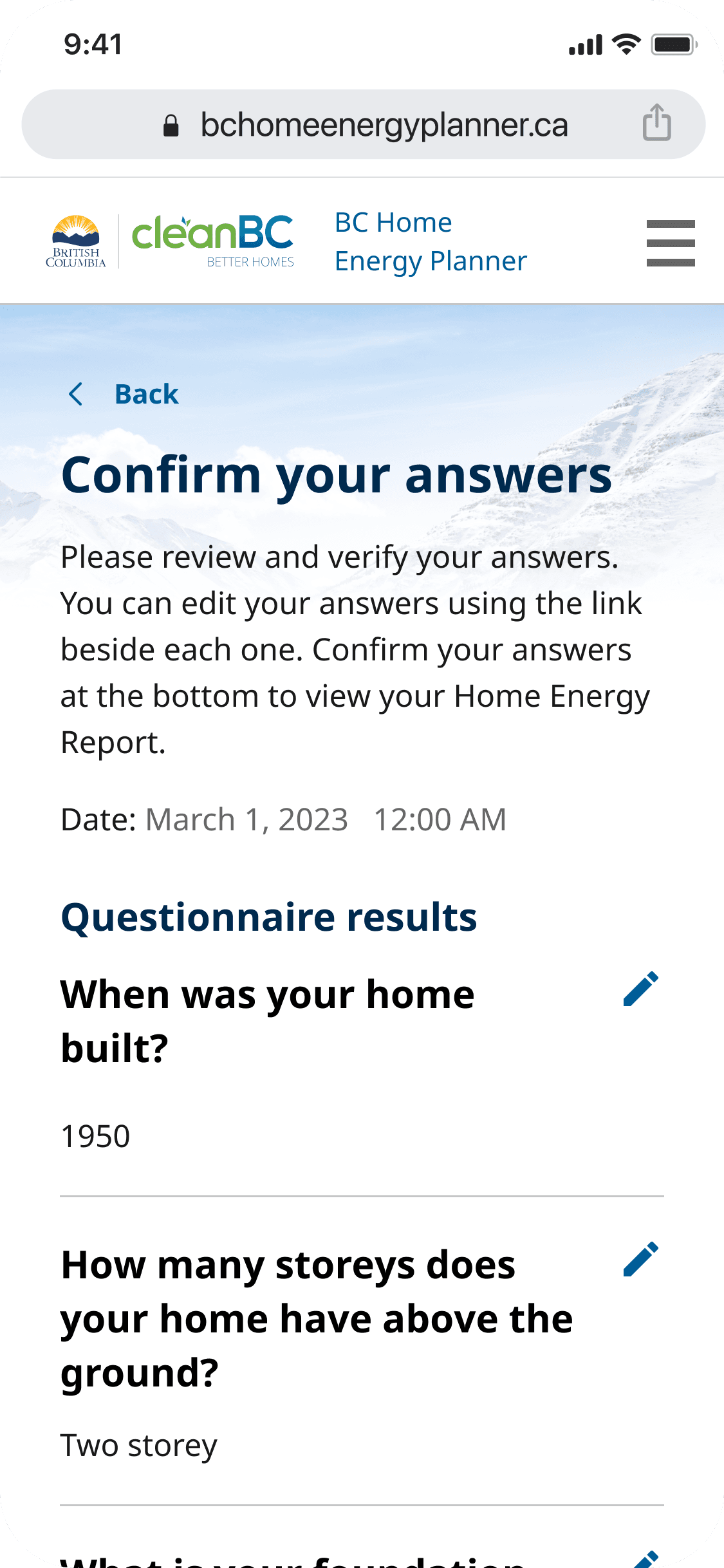
Step 03 : Energy report
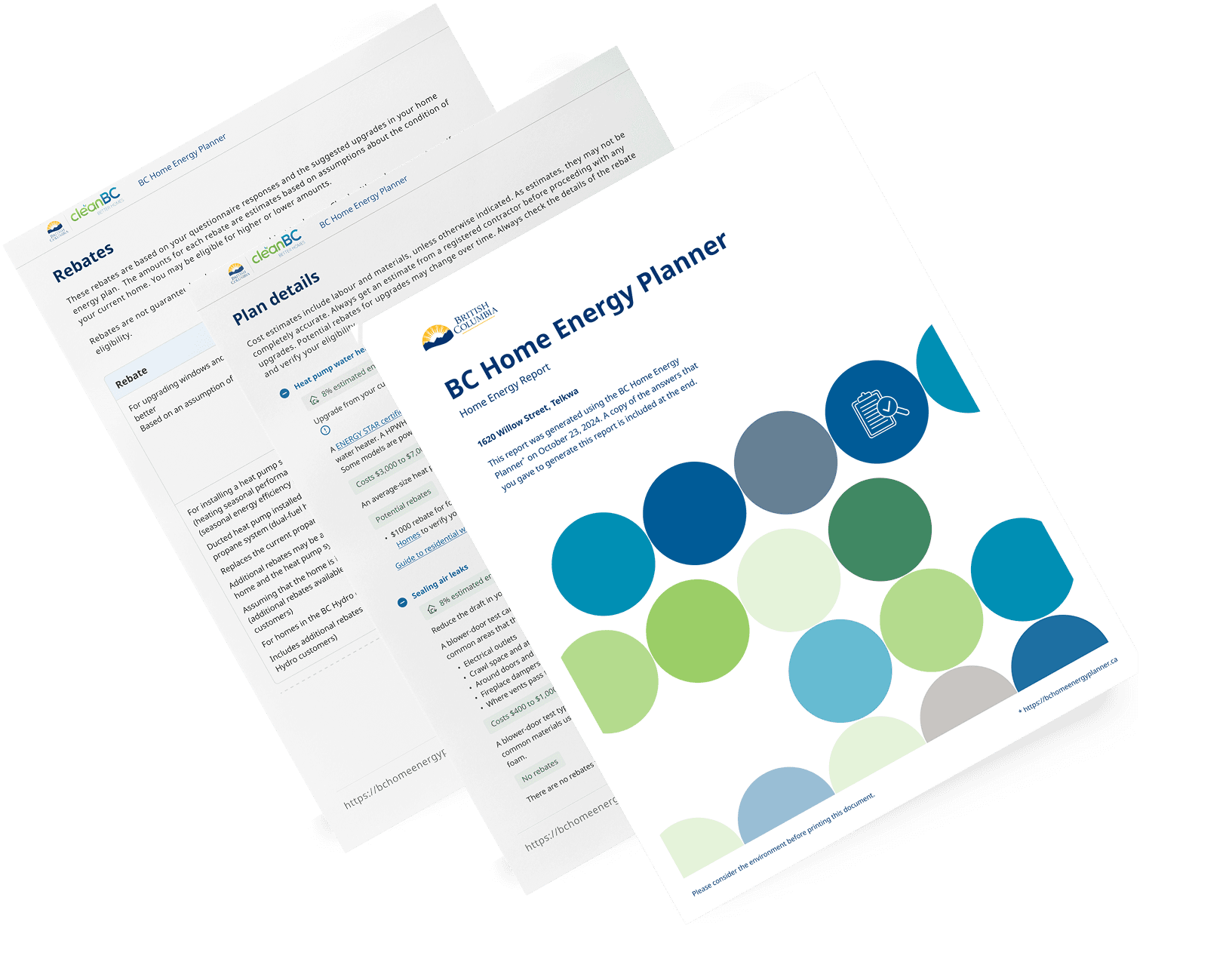
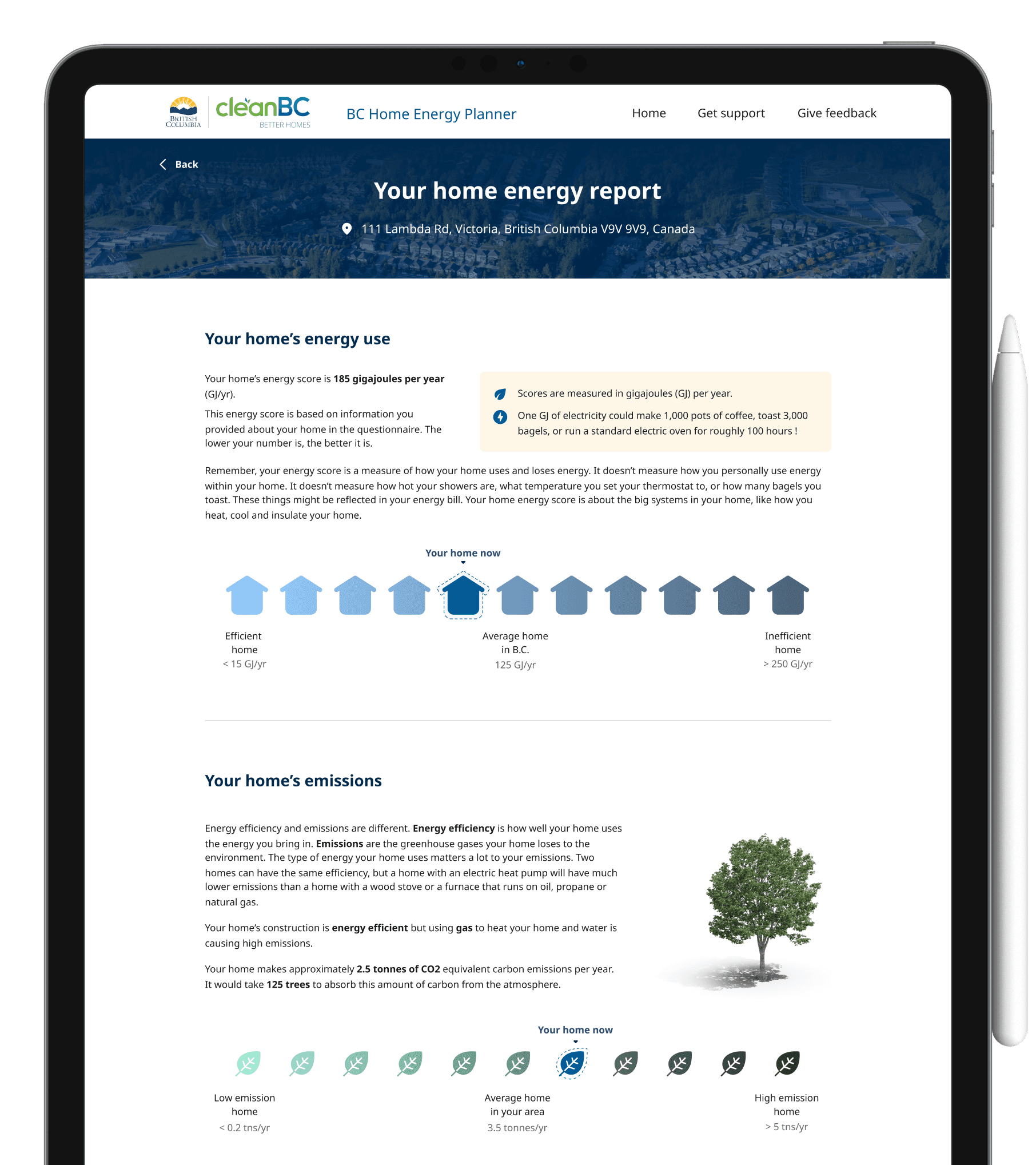
An energy report of the home will be generated, providing homeowners with a rating and outlining areas of potential energy loss and projected energy costs.
Step 04 : Retrofit plan
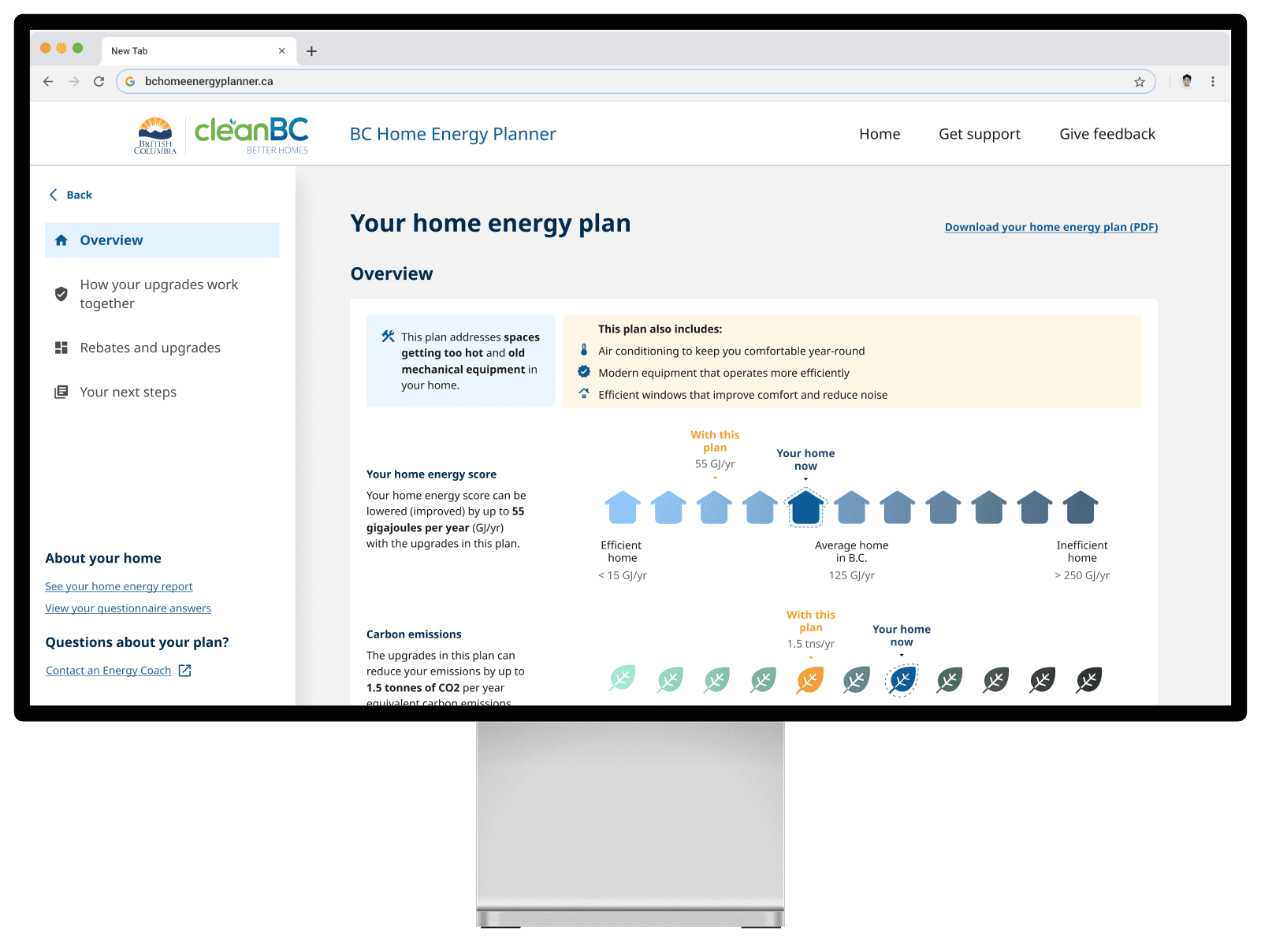
A comprehensive step-by-step retrofit plan is finally generated, outlining the performance improvements it can achieve, how it addresses issues identified in the energy report, and the list of recommended retrofits proposed.
~13%+
Retrofit adoption rate
Average increase YoY given by CleanBC between the months of Jan - Mar 2025.
~1.2k+
Unique pilot users
Onboarded during the 5 month pilot period around BC.
82%
Service completion rate
Of users onboarded and began the first step of the service.
4.4/5
Average feedback rating
In a post-service survey asking pilot users to rate their overall experience.
Below is the full process for this project...
Keep scrolling if you're still interested or jump to the end to hear my closing thoughts.
Let's first get to know our users.
04-01.
Online surveys were first sent out to participants on the CleanBC mailing list to assess the reception to this newly proposed public service.
Most homeowners expressed strong interest in the BC Home Energy Planner. While many had heard of energy retrofits, few had actually implemented them.
94%
118 of 125 Responses
of surveyed homeowners finds value in this newly proposed digital service.
84%
105 of 125 Responses
of surveyed homeowners had heard or have considered retrofits in the past.
19%
24 of 125 Responses
of surveyed homeowners have actually completed retrofits on their properties.
"What is currently stopping you from completing energy retrofits in your home?"
Reasons Cited
Number of ReSponses
Lack of Home Retrofit Knowledge
Lack of Home Energy Efficiency Knowledge
Unclear of Home Retrofit Process
High Upfront Costs and unclear ROI
Satisfied with Current Condition
Unsure which
Retrofit to Prioritize
0
10
20
30
40
50
60
55
42
40
36
19
12
An overwhelming amount of homeowners entering the service will most likely lack home retrofit and energy efficiency knowledge.
Keeping a conversational tone throughout and explain concepts in a simple way.
Progressive Disclosure to minimize cognitive load throughout the user journey.
Adding explainers to anticipate and address common homeowner queries.
Step-by-step chunking of the user journey to make the service feel more digestible.
Defining the end-to-end user journey.
04-02.
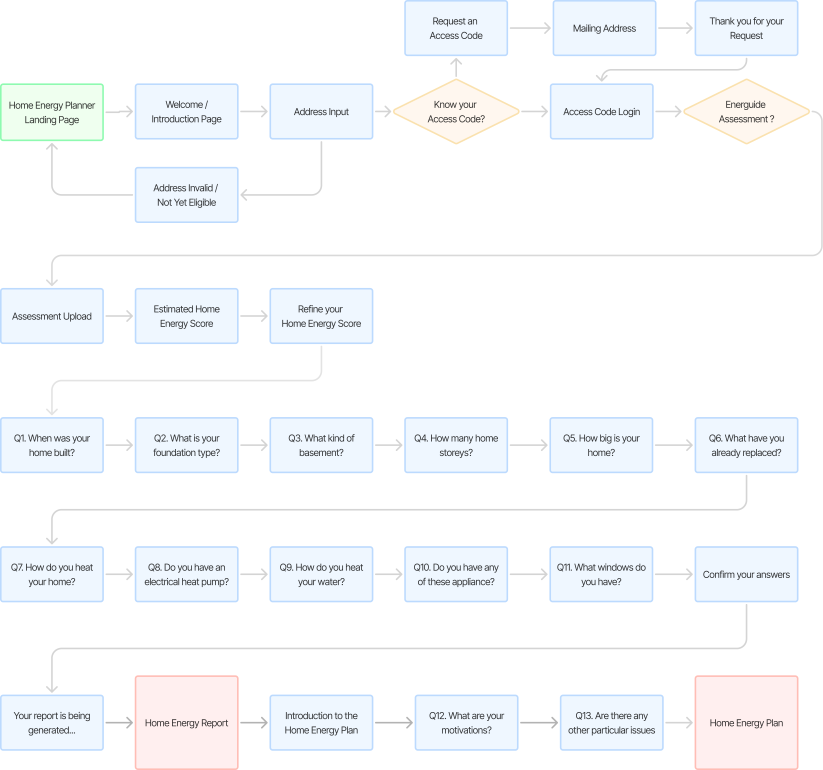
Collaborating with PM's and engineering regarding the underlying data model, alignment on the structure of the service was reached.
After defining the pilot MVP scope, I finalized the site architecture and identified opportunities to apply our user-derived UX principles.
Flow legend
Start
Process Steps
Decisions
User Goals
Digestibility and intuitivity over all else.
04-03.
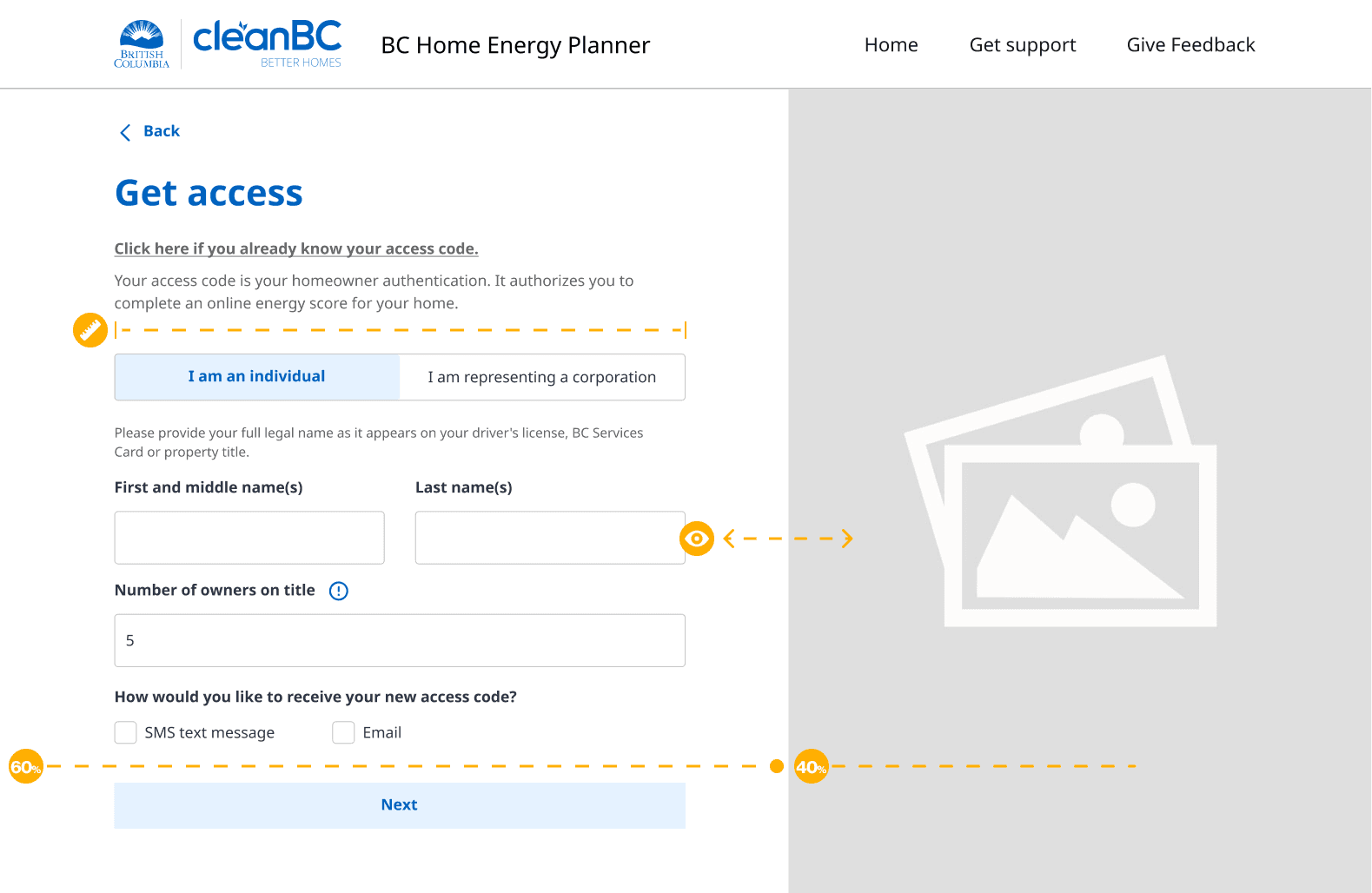
I established a clean, side-by-side split-screen layout as the foundation for the initial onboarding and homeowner questionnaire pages.
This flexible page structure following a simple 12 column grid provided great flexibility and laid out the required content and visuals intuitively.
Shortened line length for easier content digestion
For more content-heavy pages, content can be more easily skimmed, processed, and digested.
Content portion is reinforced by the visuals
The visuals provides ongoing context to the content on the right.
60/40 content visual skewed page split
The skewed split helps establish hierarchy and structure to the underlying layout.
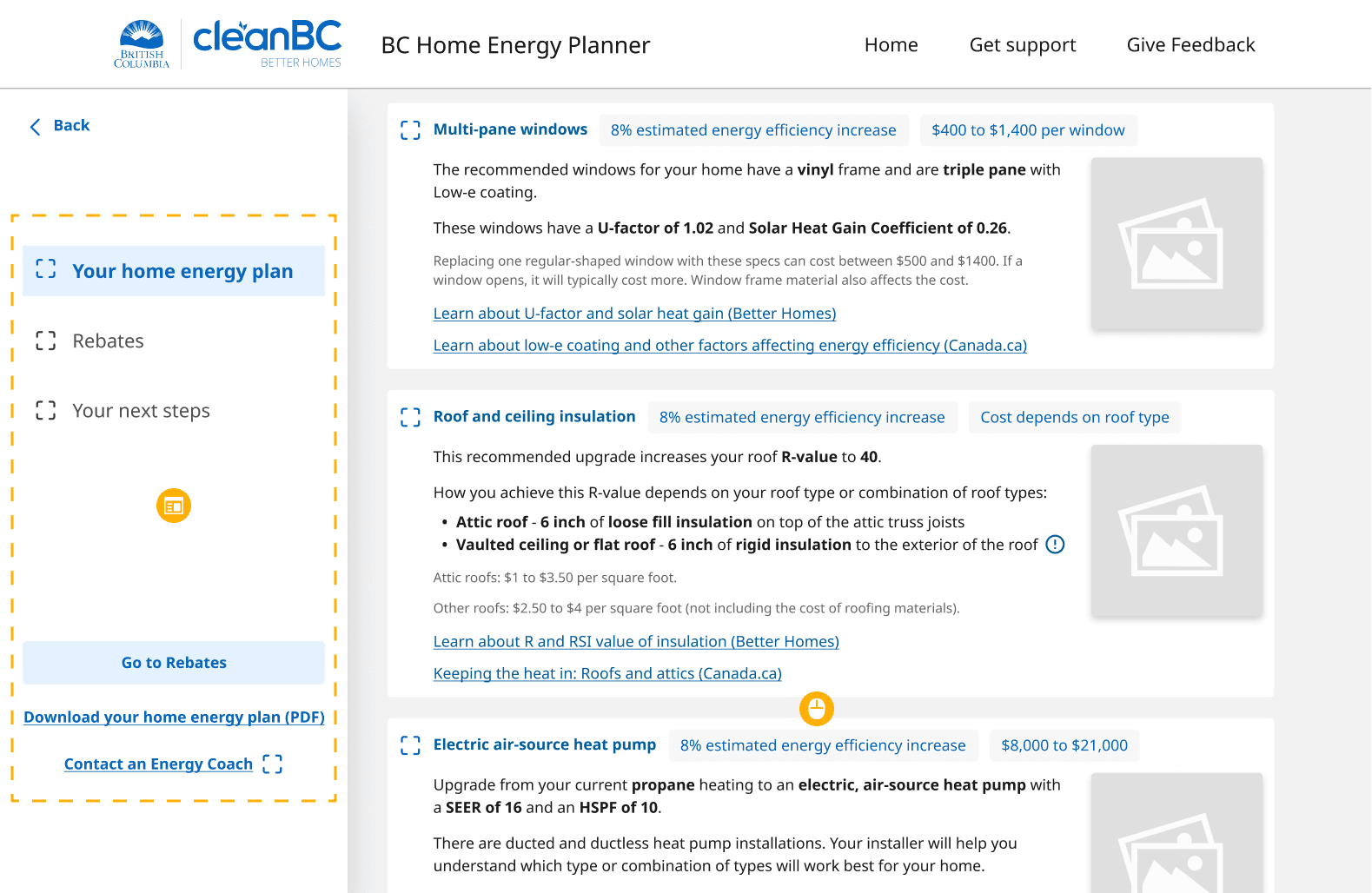
Sticky navigational left sidebar and scrollable main content was chosen for content-driven energy report and plan pages.
The functional layout supports future scalability, while the structured navigation lets homeowners easily move between pages when browsing.
Content portion is reinforced by the visuals
The visuals provides ongoing context to the content on the right.
60/40 content visual skewed page split
The skewed split helps establish hierarchy and structure to the underlying layout.
Ironing out the details prior to pilot launch.
04-04.
Partnering closely with researchers, we led multiple rounds of remote user testing on our MVP ahead of the pilot launch.
The testing generated valuable qualitative and quantitative insights that informed key iterations. Using an action-priority matrix, we focused on high-impact improvements that could be implemented before the pilot launch.
Below are 2 of the most impactful changes reflected in the metrics.
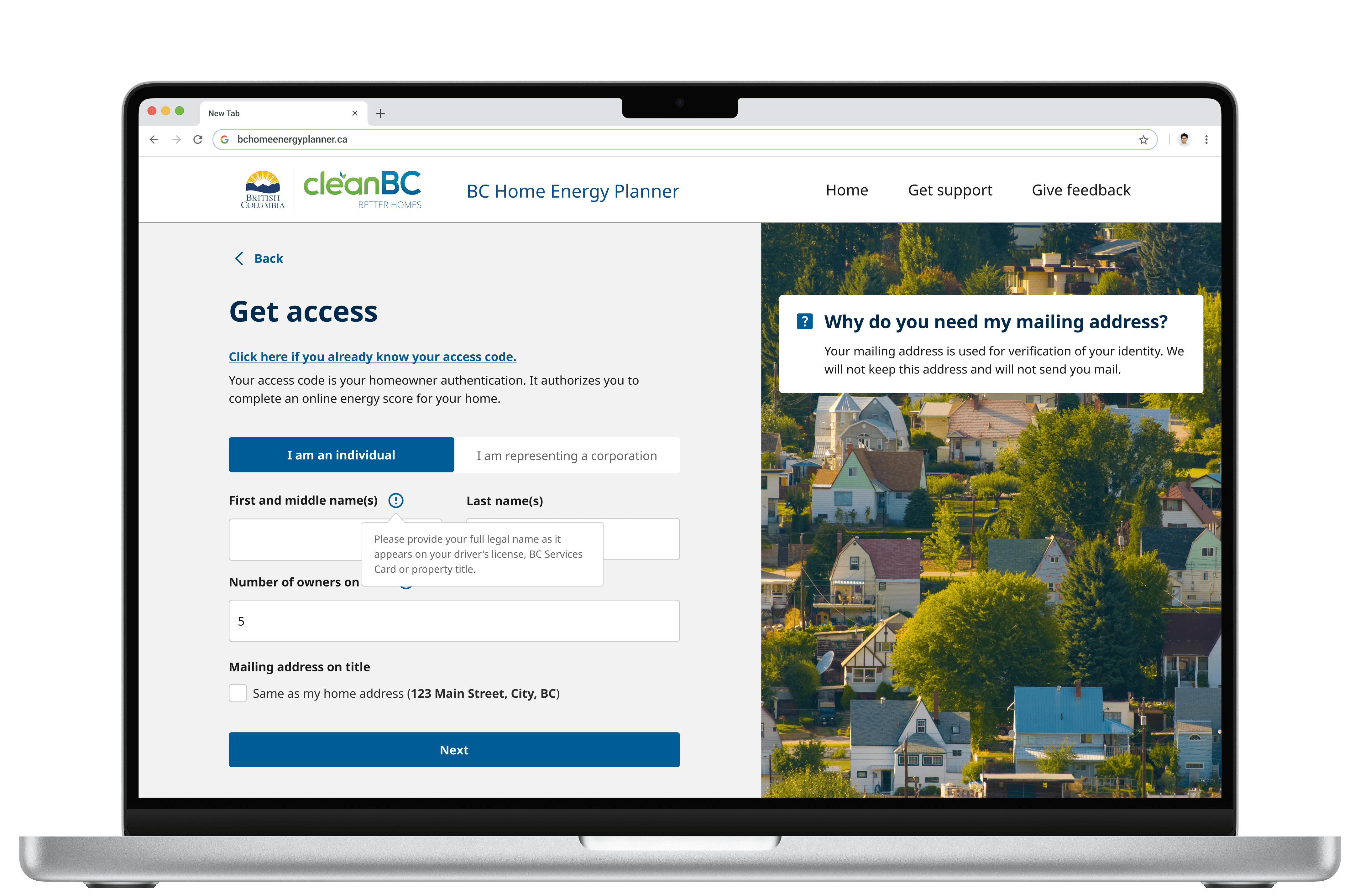
People in the first pilot community were often failing to get authenticated due to omitting middle names from a form field asking for their "full legal name".
"First and middle name(s)" instead of "Full legal name"
Explicitly stating what is required in the field.
An actionable tooltip
Providing exact guidance on how to proceed.
New confirmation modal
Modal appears to prompt homeowners to confirm they have entered their full legal name.
Before (MVP Testing)
16%
Login failure rate
Percentage of homeowners during user testing who failed to login due to incorrect legal name.
After (Pilot launch)
<2%
Login failure rate
Percentage of pilot users who failed to login during the 4 month period due to incorrect legal name.
Backlog items & quality of life changes.
04-05.
The service launched in the Fall of 2023. We balanced tackling the feedback received with the growing amount of backlog items.
Within the next 5 months, we were able to ship out several quality of life features backed by strong metrics and data as well as incorporate multiple cross-ministry initiatives.
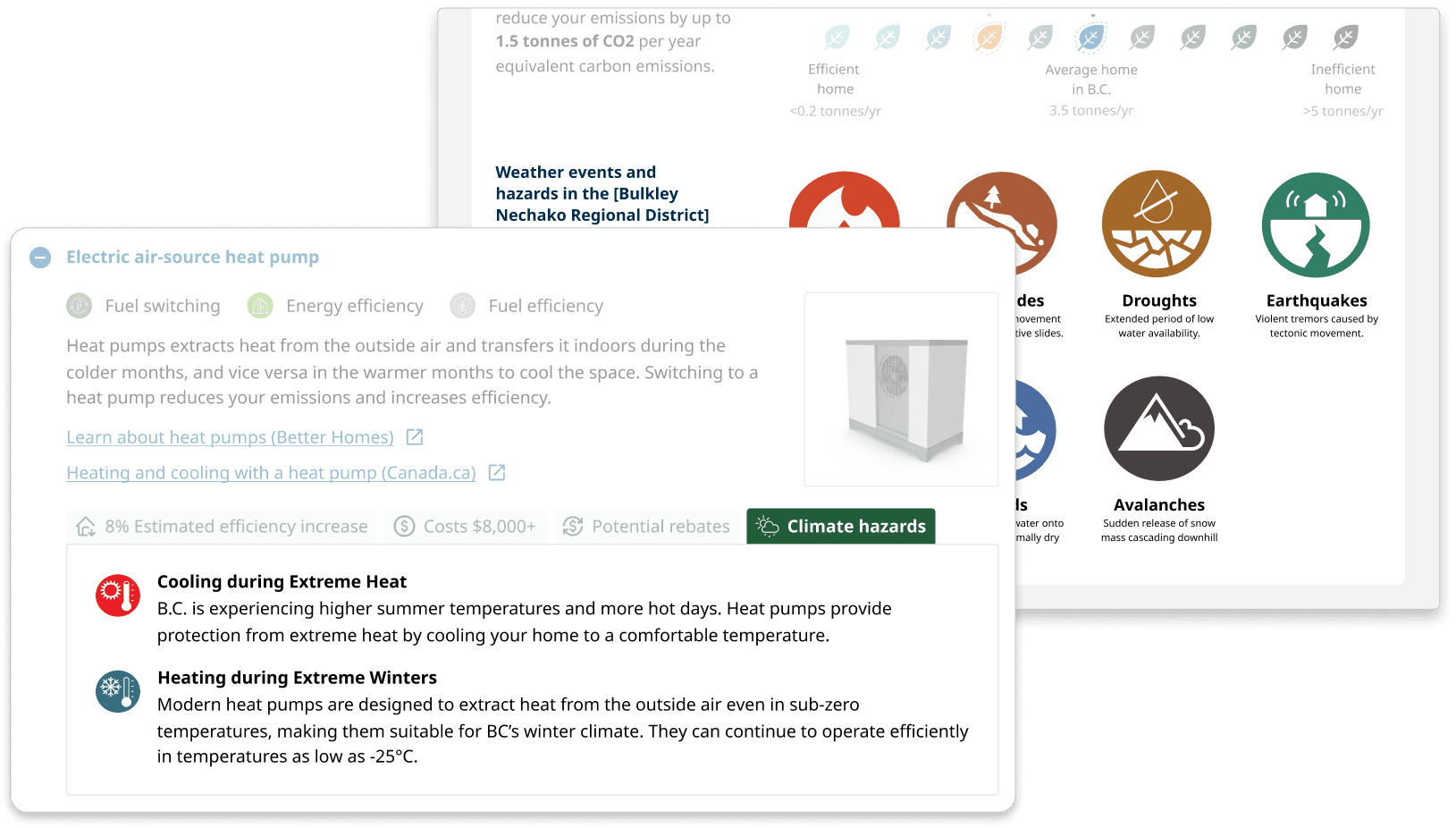
Cross-Ministry Content from EMCR
EMCR in BC oversees all aspects of emergency management. The planner integrated content from PreparedBC to highlight how certain retrofits can help homeowners prepare for weather events common in their area.
BC Services Card Integration
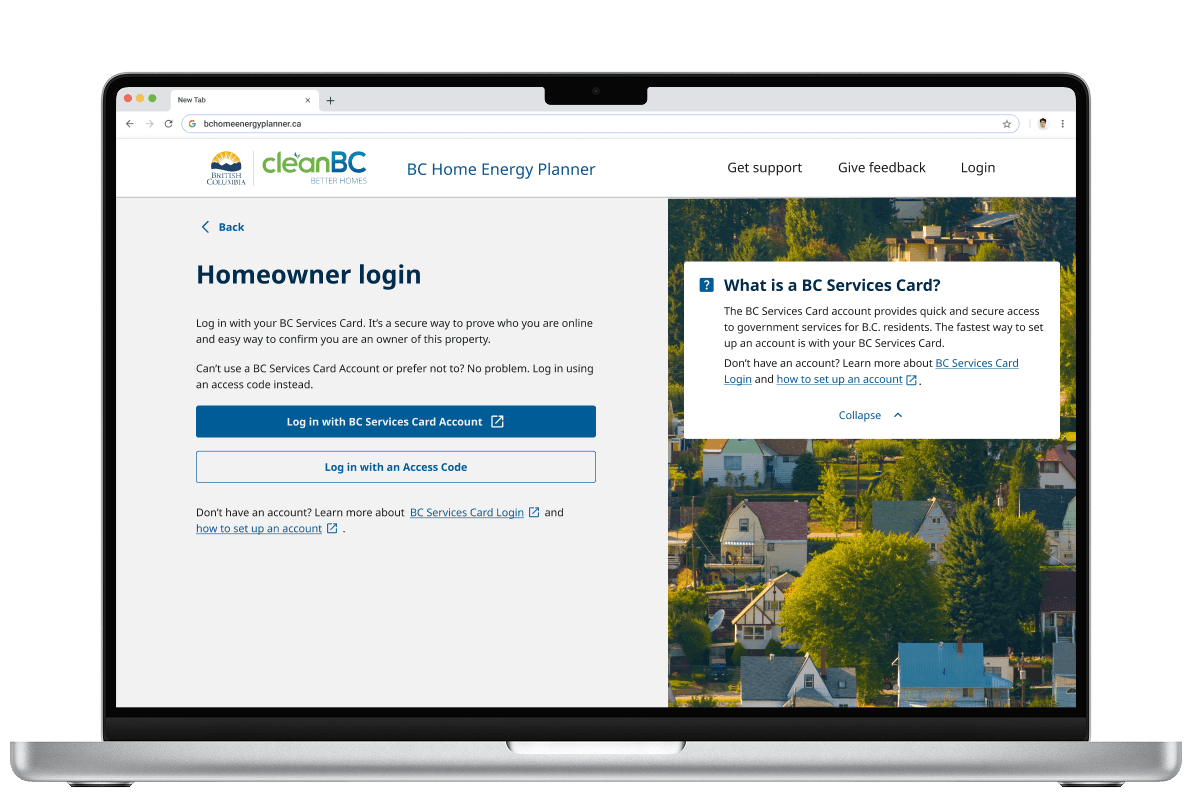
BC Services Card login was integrated in order to simplify the onboarding and handle the significant influx of homeowners accessing the tool.
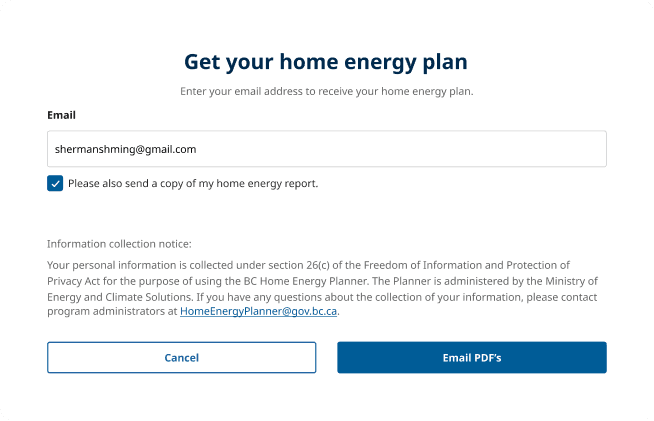
Energy report and plans in formated PDF's can now be sent to homeowners via email for them to print off.
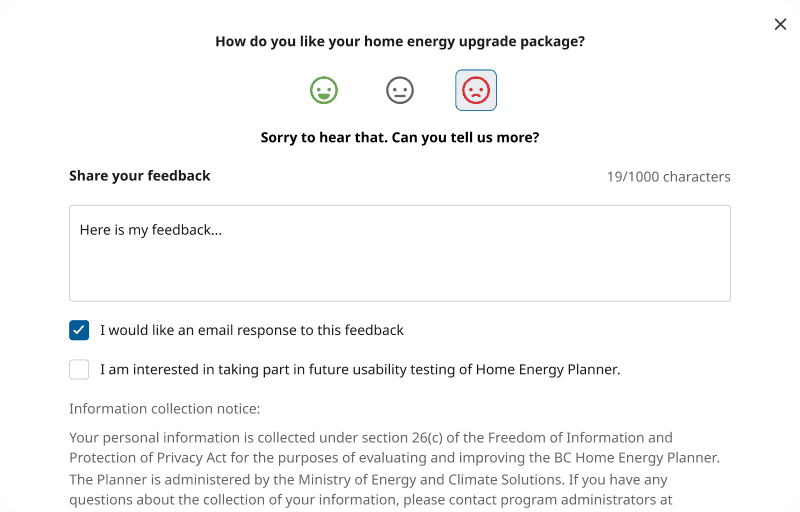
Unfolding feedback survey at the end of the service prompting homeowners for feedback.
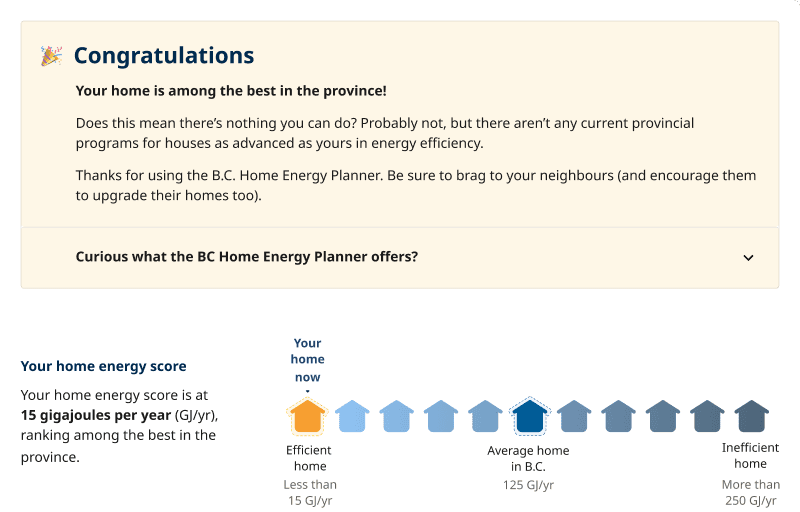
Congratulatory state to acknowledge homeowners with already fully efficient homes.
Conclusion.
05.
Being able to leverage design for positive and social and environment change felt incredibly empowering.
Using design to drive positive change toward a more sustainable future and have an impact on a real-world problem has been incredibly rewarding. Reading feedback during the pilot and seeing friends and family engage with the service was heartwarming and made every design decision worthwhile.
Learning to champion my design using data and metrics.
Throughout the design process, I had to regularly communicate my design and its value proposition to various branches and ministries of the B.C. government. Utilizing data and metrics, I've learned to be able to defend my design decision and turn feedback into actionable improvements.
Seeing products and features as parts of a holistic system.
Working in the public sector showed me how projects are often part of larger systems and by seeing how my work fits into the bigger picture allowed me to be one step ahead of any constraints and allowed me to design solutions that were both scalable and sustainable.